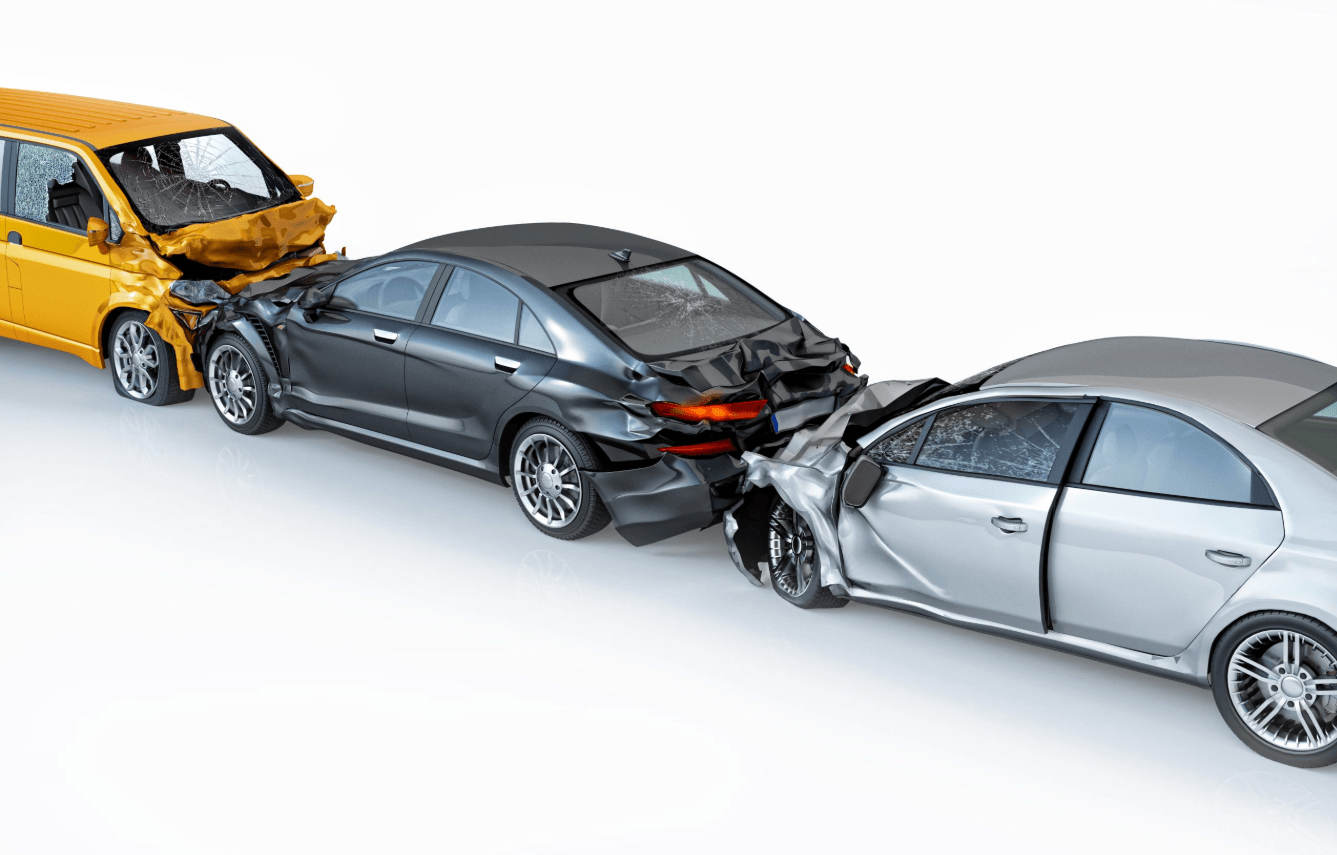

If your car was already in an accident before and now it has been hit again, you are facing a question that most insurance adjusters are not going to answer honestly on your behalf: how much of this new damage do they actually owe you for? Prior accident history does not erase your right to a diminished value claim in North Carolina or South Carolina. But it does change how the claim is calculated, how the insurer will argue against it, and how important it is to have an independent appraisal in your corner.
Your Right to Diminished Value Does Not Disappear Because of Prior Damage
The core principle here is straightforward: you are entitled to compensation for the loss in market value caused by the accident that just happened, not the one from two years ago. If another driver hit your car and it was not your fault, their insurance is responsible for the diminished value created by that specific event.
Prior damage is relevant to the calculation, but it is not a blanket excuse to deny the claim. What the insurer owes you is the difference between your vehicle’s pre-accident value and its post-accident value, where pre-accident means the condition your car was in immediately before this collision, including whatever history it already had.
The second accident added new damage on top of existing history. Both layers are now visible to buyers and both affect resale value. The insurer is responsible for the layer they caused.
How Insurance Companies Use Prior Damage Against You
This is where things get adversarial fast. Insurance adjusters are trained to look for reasons to reduce your payout. Prior accident history on a vehicle history report is one of the most commonly used arguments to minimize a diminished value claim.
The two tactics you will encounter most often:
- Pre-existing condition argument. The adjuster claims the vehicle already had diminished value from the prior accident, so the new claim is worth less or nothing. This argument only holds water if the prior damage was never repaired or was repaired poorly. A vehicle that was properly repaired and had no open structural issues before the new accident is a different story.
- Stacking deduction. The insurer applies a heavy prior-damage deduction to your appraisal, often using internal formulas that are not disclosed and are not based on actual market data. The result is an offer that accounts for far more prior-damage reduction than the market actually applies.
Neither of these is automatically correct. Both are negotiating positions, and both can be countered with a professional independent appraisal that documents exactly what the vehicle was worth before this accident and what it is worth now.
The Role of Repair Documentation From the Prior Accident
If your car had prior accident damage that was fully repaired, that documentation is critical to your current claim. A complete repair record from the previous incident shows that the damage was addressed properly, that qualified technicians signed off on the work, and that the vehicle was returned to a roadworthy and market-ready condition before the second accident occurred.
Without that documentation, the insurer has more room to argue that pre-existing unrepaired damage is the source of the current value loss rather than their insured’s collision. You do not want to be in a dispute where you cannot prove the baseline condition of your vehicle.
What to gather before you file:
- Repair invoices and work orders from the previous incident
- Photos taken after the prior repair showing finished condition
- Any inspection records or certifications from the prior repair shop
- Your vehicle history report showing the prior accident and subsequent condition
- Repair invoices and photos from the current incident
The stronger your documentation of the vehicle’s pre-accident condition, the harder it is for the adjuster to inflate the prior-damage deduction. Understanding how to prove and maximize a diminished value claim before you enter that conversation gives you a real advantage.
How Prior Damage Affects the Appraisal Calculation
An independent appraiser assessing diminished value on a vehicle with prior accident history will account for that history when establishing the pre-accident baseline. That is not a disadvantage for you. It is accuracy.
The appraiser is looking at what comparable vehicles with similar prior history were actually selling for in the Carolina market before your accident. They are not pretending the prior damage did not exist. They are establishing the real market value at the moment before the new impact, and then measuring how much that value dropped because of the new accident.
That distinction matters enormously. A professional appraisal isolates the financial impact of the current event from everything that came before it. The insurer’s internal formula does not make that distinction cleanly. It tends to apply blanket prior-damage penalties that overstate the reduction and understate what they owe you.
| Scenario | What the Insurer Argues | What a Professional Appraisal Shows |
|---|---|---|
| Prior damage, fully repaired | Vehicle already had reduced value | Baseline reflects repaired condition; new DV is measurable |
| Prior damage, partially repaired | Damage is stacked; minimal new DV | Separates prior unrepaired loss from new accident’s share |
| Prior damage, unreported | No proof of prior condition | Market comps establish realistic pre-accident value |
| Multiple accidents, all repaired | Cumulative deduction applied | Each event evaluated independently; new accident DV isolated |
NC and SC Fault Rules Still Apply
Having prior damage does not change the fault analysis. In North Carolina, if you were not at fault in the new accident, you can file a third-party claim against the other driver’s insurance for the full diminished value caused by that collision. The contributory negligence rule still applies: if any fault is assigned to you, your claim may be barred entirely, so getting the fault determination right matters as much here as in any other DV scenario.
In South Carolina, modified comparative fault applies. If you were partially at fault, your recovery is reduced proportionally. That reduction is applied to the total diminished value figure, which should already account for the prior damage baseline. The two calculations do not stack penalties on top of each other.
If you are unsure how fault was assigned or whether the determination was accurate, that is worth reviewing before you file. Our breakdown of diminished value claims in the Carolinas covers the current legal and market context in detail.
When the Prior Damage Was Never Fully Repaired
This is a harder situation, but it does not automatically void your claim. If your car had unrepaired prior damage when the second accident occurred, the insurer will argue that some of the current damage and value loss was already present. That argument has some validity in this case.
What an independent appraiser does in this scenario is separate the contribution of each event. Pre-existing unrepaired damage that is visible on the vehicle or documented in the vehicle history report will be factored into the pre-accident baseline for the new claim. The appraiser then measures the incremental value loss caused specifically by the new collision.
This is why even smaller amounts of damage can produce significant value drops when layered on existing history. The market sees cumulative accident records and prices accordingly. A vehicle with two accidents sells for materially less than one with one, regardless of repair quality.
The Independent Appraisal Is Non-Negotiable Here
In straightforward single-accident claims, some drivers manage to negotiate a reasonable settlement without professional help. With prior damage in the picture, that approach is much riskier. The insurer has more ammunition, more formulas, and more reasons to discount your claim without a credible independent number to push back against.
A certified appraisal gives you a documented, defensible baseline and a documented, defensible post-accident value. It removes the adjuster’s ability to simply state a number and leave it at that. For vehicles with prior accident history, the gap between what the insurer offers and what the market actually reflects tends to be wider, making the appraisal investment more valuable, not less.
If you want to understand the potential range of your claim before committing, the diminished value calculator gives you a working estimate based on your vehicle and damage details.
Your Prior Accident History Does Not Close Your Claim.
Get a free quote and find out exactly what the new accident cost you in market value. We know how to separate what they owe from what was already there.Get Your Free Quote
📄
Download This Article as a PDF
Save or share a formatted version of this guide. Download PDF
Frequently Asked Questions
Can I file a diminished value claim if my car already had prior accident history?
Yes. Prior accident history affects the baseline value used in the calculation, but it does not eliminate your right to claim the diminished value caused by the new accident. You are entitled to compensation for the market value loss that this specific collision created, not the one before it.
Will the insurance company automatically reduce my payout because of prior damage?
They will try to. Prior damage is one of the most common arguments insurers use to minimize diminished value offers. An independent appraisal that establishes a clear pre-accident baseline and isolates the new accident’s contribution is the most effective way to counter that argument with documented evidence.
Does it matter if the prior damage was repaired or not?
It matters significantly. A vehicle with prior damage that was fully and properly repaired stands in a much stronger position than one with unrepaired prior damage. In both cases a claim is possible, but the calculation is different. Documented prior repairs give you a cleaner pre-accident baseline and remove a key argument the insurer would otherwise use against you.
How does North Carolina’s contributory negligence rule affect a second-accident DV claim?
Exactly the same way it affects any claim. If you were not at fault in the new accident, you can pursue the full diminished value caused by that event through a third-party claim. If any fault is assigned to you in NC, your claim may be completely barred. Getting the fault determination right before filing is critical.
Is a professional appraisal more important when there is prior damage?
Yes. When prior damage is involved, the insurer has more tools to argue your claim down. An independent appraisal that methodically separates the new accident’s impact from pre-existing conditions is the clearest way to establish what you are actually owed. Without it, you are negotiating on the insurer’s terms using their math.