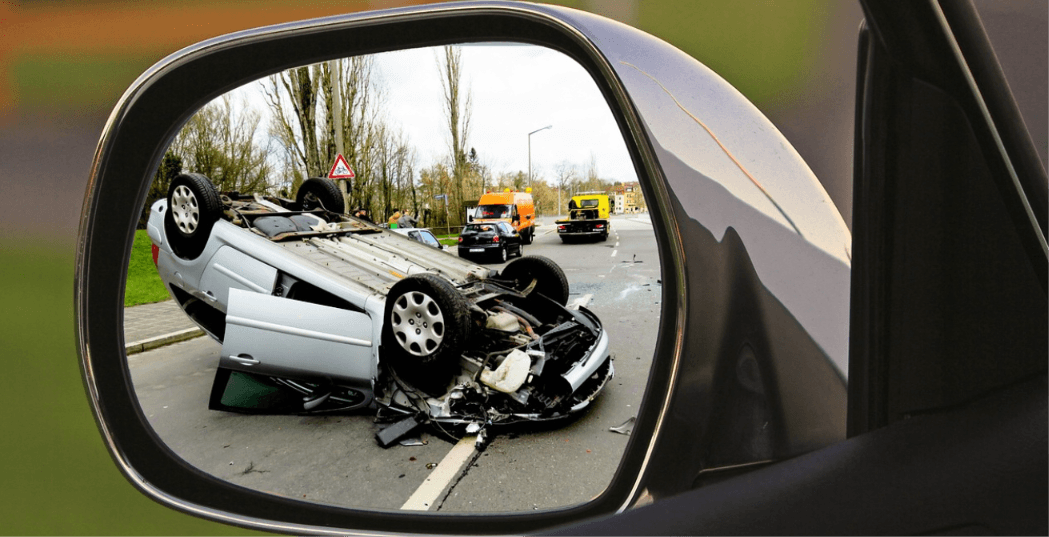

After an accident, most drivers focus on repairs and insurance claims. But what often has the biggest impact on your vehicle’s value isn’t just the damage—it’s how that damage is recorded.
In the Carolinas, vehicle history reports play a major role in determining resale value. Once an accident appears on a report, it changes how buyers see your car, regardless of how well it was repaired.
This shift in perception is one of the main drivers behind diminished value claims—and one of the most misunderstood.
Why Vehicle History Reports Matter More Than Ever
Today’s buyers are more informed than ever. Before making a purchase, most will check a vehicle’s history through services like Carfax or AutoCheck.
That means accident records are no longer hidden—they are front and center in every transaction.
According to Black Book Market Insights, vehicles with accident history consistently sell for less than comparable clean-history vehicles.
This difference isn’t just theoretical—it’s reflected in real transaction prices.
How History Reports Directly Affect Diminished Value
Once an accident is recorded, your vehicle enters a different category in the market. Buyers may assume higher risk, future issues, or lower resale potential.
Even if repairs are flawless, the perception remains—and perception drives price.
This is why diminished value exists in the first place: it reflects the gap between what your car should be worth and what buyers are actually willing to pay.
Timing and Reporting: The Hidden Factor
Not all accident records impact value the same way. Timing plays a role in how buyers react.
As discussed in selling a vehicle after a diminished value claim, decisions made before or after a report appears can affect both resale value and claim strength.
| Scenario | Buyer Reaction | DV Impact |
|---|---|---|
| Accident already reported | Immediate price negotiation | Higher DV visibility |
| Delayed reporting | Unexpected value drop | Harder to prove loss |
| Sold before report | Loss realized indirectly | Weaker claim position |
Why Insurance Companies Don’t Fully Account for This
Insurance companies often rely on valuation models that focus on condition and comparables, but they don’t always capture how much buyer perception changes after an accident is recorded.
This gap between data models and real-world behavior is a key reason why many claims feel undervalued.
As explained in 2026 auto market trends and vehicle appraisals, valuation systems may lag behind actual market conditions.
Real-World Example: Two Similar Cars, Different Prices
In today’s market, it’s common to see two nearly identical vehicles listed at different prices simply because one has an accident record.
Buyers don’t just compare features—they compare risk.
This aligns with broader market observations in used car market trends, where even small differences in history affect pricing.
What Drivers in the Carolinas Should Do
If your vehicle has been in an accident, understanding how its history affects value is critical.
- Check when the accident appears on your vehicle history report
- Document all repairs and damage thoroughly
- Avoid rushing into a sale before understanding your diminished value
- Review insurance valuations carefully
These steps can help ensure your claim reflects the real impact on your vehicle’s value.
Final Thoughts: It’s Not Just Damage—It’s Perception
Diminished value isn’t just about what happened to your car—it’s about how the market reacts to that information.
And in the Carolinas, where buyers rely heavily on vehicle history reports, that reaction can have a significant financial impact.
Understanding this gives you an advantage when navigating your claim.
Download the Printable Version of This Article
If you want a printable version of this article to reference during your claim process, download the full PDF below.
Download the PDF Version of This Article
Frequently Asked Questions
Do vehicle history reports affect car value?
Yes. Vehicles with accident history typically sell for less due to buyer perception and reduced confidence.
Can I file a diminished value claim based on history?
Yes. Diminished value reflects how accident history affects resale value.
Does timing of reporting matter?
Yes. When an accident appears on a report can influence both resale value and claim strength.
Why do buyers avoid cars with accident history?
Because they associate it with higher risk, even if repairs were properly completed.