

The used vehicle market is entering 2026 in a calmer and more predictable position than the past few years. After pandemic-era pricing swings, wholesale depreciation is now returning closer to seasonal norms, and auction activity is showing more consistency week to week.
That stability matters for car owners, especially for drivers dealing with the hidden financial impact of an accident.
When market values stop fluctuating wildly, the resale penalty caused by accident history becomes clearer. Clean vehicles hold steady, while accident-history vehicles separate into a lower tier of pricing.
That price gap is diminished value, and if you want a clear breakdown of the claim process, start with our diminished value guide.
What Black Book Is Reporting About Wholesale Depreciation Right Now
According to Black Book’s most recent Market Insights report for January 2026, wholesale values are declining mildly, but not sharply.
Black Book reported:
- Cars declined about 0.36% week over week
- Trucks and SUVs declined about 0.37%
- Auction conversion climbed to 64%, showing strong buyer engagement even as prices soften
These are controlled, seasonal shifts rather than extreme market swings.
Current Market Snapshot (January 2026)
| Segment | Weekly Change | Market Meaning |
|---|---|---|
| Cars | -0.36% | Normal seasonal depreciation |
| Trucks and SUVs | -0.37% | Demand still strong |
| Auction Sell-Through | 64% | Buyers still bidding actively |
The key takeaway is simple: clean vehicles are still holding value well.
That directly affects diminished value after an accident.
Market Stability Rewards Clean History and Punishes Accident History Faster
In a stable market, buyers have more confidence and more choices.
That means accident history becomes an even stronger pricing factor.
Even when repairs are technically perfect, vehicles with:
- Accident entries on Carfax or AutoCheck
- Structural repair records
- Airbag deployment history
- Multiple collision-related service reports
are consistently discounted by dealers and buyers.
Vehicles with structural repair records often take a bigger resale hit, especially when there is prior frame damage involved.
The market does not only price the repair. It prices the perceived risk of owning and reselling the vehicle later.
This is why diminished value exists. Resale value depends on buyer confidence as much as vehicle condition.
Why Diminished Value Is Often Easier to Prove When Prices Are Stable
One of the most common insurance defenses is that market shifts caused the value loss, not the accident.
That argument works best during volatile pricing periods.
But Black Book data shows that depreciation in early 2026 is mild and predictable. Clean vehicles are trading closer to expected levels.
When clean vehicles hold steady, the accident discount becomes more obvious.
A stable baseline value makes accident-related loss easier to measure.
That is exactly what diminished value claims require.
Insurance Formulas Still Do Not Reflect Real Market Discounts
Most insurers continue using outdated diminished value calculation methods that minimize how the market actually treats accident-history vehicles.
These approaches often:
- Ignore accident stigma
- Exclude auction trends
- Fail to use current wholesale conditions
- Undervalue late-model vehicles
Black Book valuations, in contrast, are built from real transaction data and auction behavior across millions of vehicles.
That is why professional diminished value appraisals remain one of the strongest tools for recovering the full financial loss.
The 2026 Outlook Shows Stability Overall, But EVs Face More Pressure
Black Book’s 2026 projections highlight an important split in the market.
The overall Used Vehicle Retention Index is expected to remain relatively flat. However, growing off-lease EV supply is expected to push used EV prices lower.
This matters for diminished value because EV buyers are often more sensitive to accident history due to battery concerns and advanced technology systems.
For EV owners, even minor accidents can create larger resale penalties compared to traditional vehicles.
How to Use Current Market Conditions to Strengthen Your DV Claim
Market stability can work in the consumer’s favor, but only if the claim is documented properly.
According to Black Book Market Insights, wholesale depreciation trends show how stable pricing makes accident-related discounts easier to measure.
A strong diminished value claim should include:
- Current market comps comparing clean vs accident vehicles
- Repair severity documentation
- Structural or airbag disclosures
- An independent appraisal grounded in real market behavior
When depreciation is mild, insurers have less room to blame general market forces.
The accident caused the loss, and the market reflects it clearly.
If you are building your file right now, this step by step guide explains how to prove and maximize a diminished value claim with comps, repair documentation, and negotiation strategy.
Final Takeaway: Stable Prices Make Accident Loss More Visible
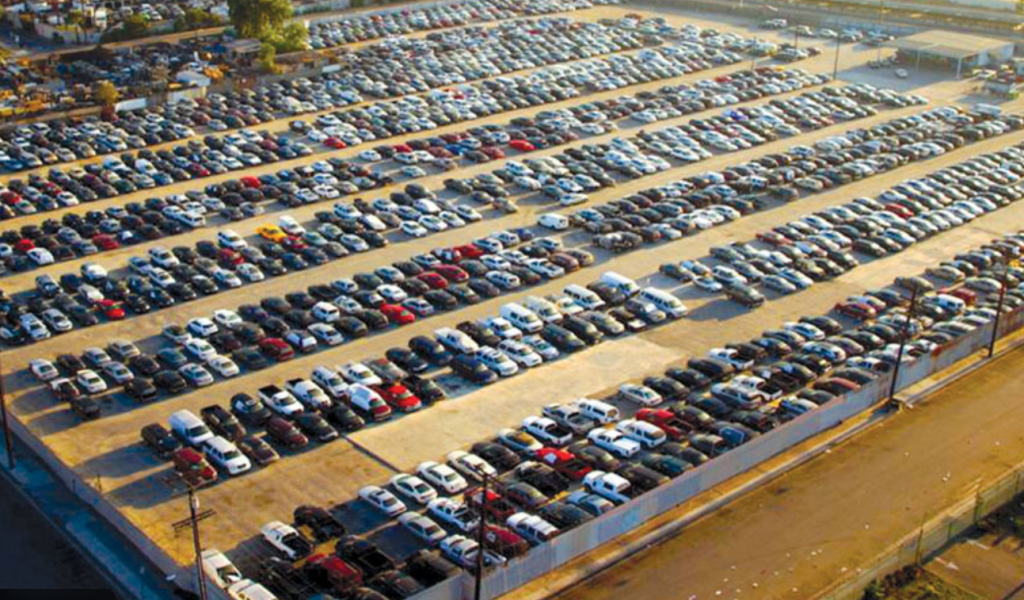
The used car market in early 2026 is stabilizing. Wholesale depreciation is modest, demand remains strong, and clean vehicles are trading close to expectations.
But accident history still creates measurable resale penalties.
In a calmer market, diminished value becomes easier to prove, not harder.
If your vehicle has been in an accident, that hidden loss does not disappear. It shows up when you trade it in, sell it, or negotiate its market value.
A professional diminished value appraisal ensures you recover what the market already deducted.
Download PDF Version
To make this easier, we created a simple PDF version of this market update with the key takeaways for diminished value claims in 2026. It includes the depreciation snapshot, accident resale impact, and a quick documentation checklist.